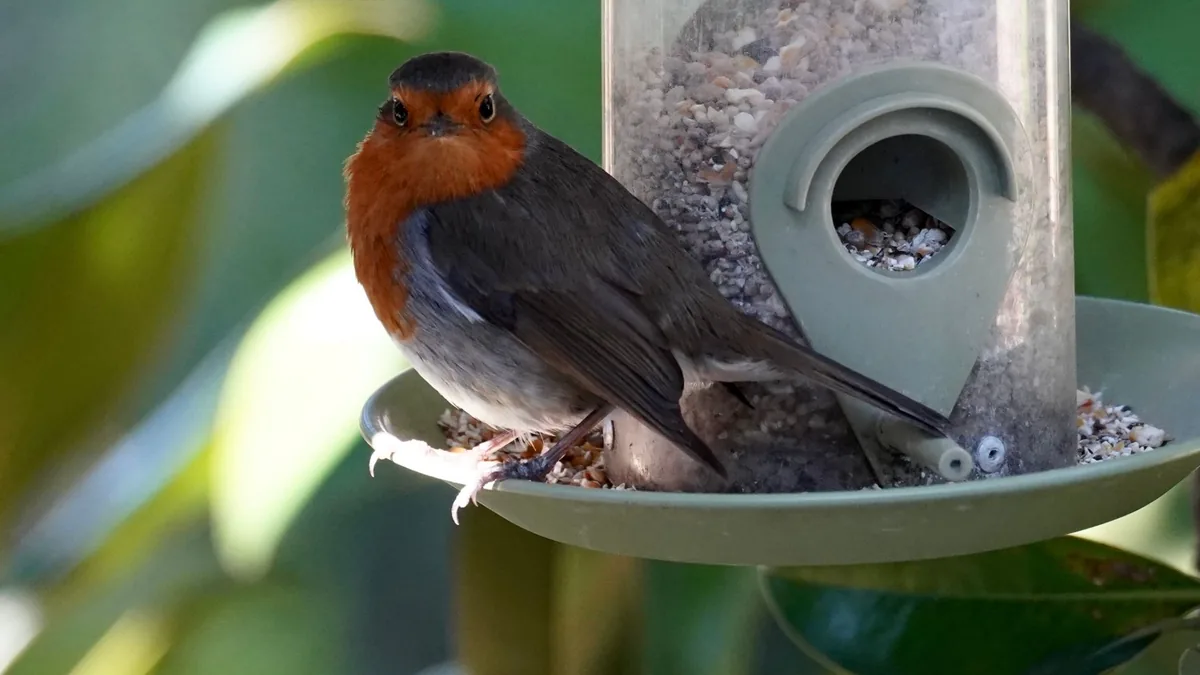
Winter is when garden birds need the most help. Natural food is harder to find, days are short and cold nights use up a lot of energy. A well-stocked, clean feeder can make a real difference, and watching robins, tits and finches from the kitchen window is one of the simple pleasures of the season.
The tricky part is doing it well: choosing foods that suit the birds you get, putting feeders in safe spots and keeping everything clean so disease doesn’t spread. AI can turn general advice into a simple plan for your own garden, balcony or yard, with a shopping list, a weekly cleaning routine and help identifying who’s visiting.
Quick answer: Describe your garden and the birds you see to an AI chatbot and ask for a winter feeding plan. The RSPB says that between November and April you can offer a full range of foods, including seeds, peanuts, suet and mealworms. Ask the AI to build a weekly routine that includes cleaning and moving feeders, and check its advice against the RSPB.
New to AI? Start with our beginner’s guide.
What you’ll need
- A rough description of your outdoor space: garden, patio or balcony
- A list of birds you’ve noticed, even if it’s just “small brown ones”
- A small budget for food and a feeder or two
- An AI chatbot: ChatGPT, Claude, Gemini, Grok or Microsoft Copilot
- Optional: a phone camera for photos of visiting birds
Step-by-step: plan your winter bird feeding with AI
- Describe your space. Tell the AI about your garden, where cats or squirrels come from, and where you can see out of a window. Ask where feeders would be safest and easiest to watch (prompt 1).
- Choose the right foods. The RSPB says suet and mealworms are fine all year round and that in the colder months you can add seeds and peanuts too. Ask the AI to suggest a starter mix for the birds you see and a budget shopping list.
- Make a cleaning routine. To reduce the spread of diseases such as trichomonosis, the RSPB advises cleaning and moving feeders weekly and retiring bird tables and other flat-surfaced feeders. Ask the AI to turn that into a simple weekly checklist (prompt 2).
- Sort out water. The RSPB suggests only offering water if you can change it daily, using tap water. Add it to the routine if you can manage it.
- Share the jobs. If you have children, ask the AI to split the tasks into a family rota, with age-appropriate jobs like topping up feeders or keeping a bird diary (prompt 3).
- Identify your visitors. Describe a bird’s size, colours and behaviour, and ask the AI for likely matches, then confirm with a bird identification guide (prompt 4).
Copy-paste prompts
1. Plan my winter bird-feeding set-up
I want to feed garden birds this winter. My outdoor space is [DESCRIBE: SIZE, HEDGES, TREES, PATIO OR BALCONY]. I've seen [BIRDS YOU'VE NOTICED]. Cats [DO / DON'T] visit and squirrels [DO / DON'T]. My budget is [£X] to start and [£Y] a month. Suggest which feeders to get, where to place them safely, and what foods to start with. Base your advice on RSPB guidance for November to April.
2. Make my weekly feeder routine
Turn this into a simple weekly checklist for feeding garden birds in winter: top up food, clean feeders weekly with hot soapy water, move feeders to a new spot each week, change any water daily, and check for mouldy food. Put it in a table with days of the week and keep it short enough to stick on the fridge.
3. Create a family bird-feeding rota
Create a fun weekly bird-feeding rota for my family: [NAMES AND AGES]. Give each person age-appropriate jobs, such as topping up feeders, keeping a bird diary or helping an adult clean feeders. Add a simple tally sheet so the children can count the birds they see each week.
4. Help me identify a bird
I saw a bird in my garden in [LOCATION/COUNTRY]. It was about the size of a [SPARROW / BLACKBIRD / PIGEON], with [COLOURS AND MARKINGS]. It was [WHAT IT WAS DOING]. What are the 3 most likely species, and what features should I look for to tell them apart?
Recommended tools
- ChatGPT: builds plans, checklists and shopping lists quickly.
- Gemini: can help identify a bird from a photo you upload.
- Claude: good for clear, step-by-step routines.
- Microsoft Copilot: handy for turning a routine into a printable table.
- Grok: quick answers to short questions about foods and feeders.
Planning ahead for spring as well? See how to plan a vegetable patch with AI. Bird watching from the window also makes a lovely activity on a wet weekend; find more in our guide to rainy day activities for kids with AI.
Tips and mistakes to avoid
- Check AI advice against the experts. Feeding guidance changes with the seasons and disease risk, so confirm with the RSPB.
- Keep it clean. Dirty feeders spread disease. Weekly cleaning and moving feeders matters more than buying fancy food.
- Think about cats. Place feeders where birds can see danger coming, away from hiding spots.
- Be careful with fruit. The RSPB notes raisins and sultanas are toxic to cats and dogs, so only put dried fruit out in pet-free gardens.
- Don’t trust identifications blindly. AI can suggest likely species, but check with a field guide or bird ID app.
- Be consistent. Birds learn where food is, so try to keep feeders topped up through the coldest weeks.
FAQ
What should I feed garden birds in winter?
The RSPB says that from November to April you can offer a full range of foods, including seeds, peanuts, suet and mealworms, and that suet and mealworms are fine all year round.
How often should I clean bird feeders?
The RSPB advises cleaning and moving feeders weekly to help reduce the spread of diseases such as trichomonosis.
Can AI identify birds from a photo?
Some AI tools, such as Gemini and ChatGPT, can suggest likely species from a photo, but they can be wrong. Confirm with a bird identification guide.
Try it yourself with ChatGPT
I want to feed garden birds this winter. My outdoor space is [DESCRIBE: SIZE, HEDGES, TREES, PATIO OR BALCONY]. I've seen [BIRDS YOU'VE NOTICED]. Cats [DO / DON'T] visit and squirrels [DO / DON'T]. My budget is [£X] to start and [£Y] a month. Suggest which feeders to get, where to place them safely, and what foods to start with. Base your advice on RSPB guidance for November to April.
Get the free AI Agents Playbook
50 practical AI workflows, plus one practical how-to a week in your inbox.
Free. No spam. Unsubscribe any time.
Related guides
- How to use AI to plan a garden or balcony vegetable patch
- How to use AI to plan rainy day activities for kids
- How to use AI to create a family chore schedule everyone sticks to
Reference: RSPB: Bird feeding, what and when to feed birds in your garden