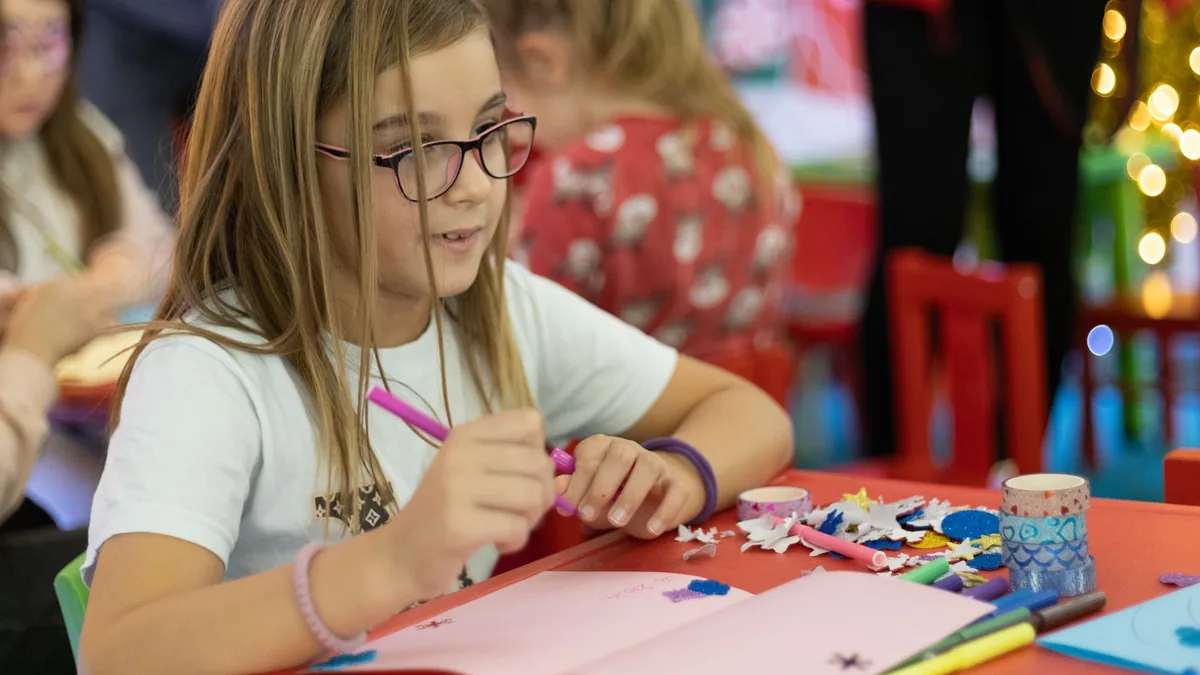
Every January, lots of parents face the same small battle: a pile of presents from grandparents, aunts, uncles and friends, and a child who would much rather play with them than write about them. Thank-you letters matter to the people who sent the gifts, but they can easily turn into a chore that nobody enjoys.
AI can take the hard part out of it, without writing the letters for your child. It can help you make a list of who sent what, suggest simple templates that suit your child’s age, ask fun questions that help them say what they actually liked, and break the job into a few short sessions. Your child still does the thinking, drawing and signing; the AI just gets them started. This guide takes about 20 minutes to set up.
Quick answer: Make a list of who gave which present, then ask an AI chatbot for a short thank-you template that suits your child’s age and a few questions to help them say what they liked about each gift. Young children can draw a picture and sign their name; older children can write their own note while you check it. PBS KIDS for Parents suggests writing a few notes at a time over a week or two, and says a late note is far better than none.
New to AI? Start with our beginner’s guide.
What you’ll need
- A list of presents and who sent them (take a photo of tags or cards as you unwrap)
- Notelets, cards or plain paper, plus pens, stickers or crayons
- Addresses and stamps, or a phone for photo messages
- An AI chatbot such as ChatGPT, Claude or Gemini
- About 20 minutes to set up, then 10-15 minutes a day
Step-by-step: thank-you letters with AI
- Keep track on Christmas Day. As presents are opened, jot down who sent what, or take quick photos of the gift tags. Ask the AI to tidy your notes into a simple table (prompt 1).
- Talk about the gifts first. PBS KIDS for Parents suggests spending a few minutes talking about each present and what made it special, such as a book they loved or a kit they’ve already used three times. Those details make the best letters.
- Pick a template that suits their age. Ask the AI for a short fill-in-the-gaps template (prompt 2). For 3 to 5-year-olds, PBS KIDS for Parents says you’ll write most of the note, leaving space for your child to scribble a greeting, draw a picture or sign their name.
- Let older children write their own. PBS KIDS for Parents suggests 6 and 7-year-olds can dictate what they want to say or write part of the note with you, and 8 to 10-year-olds can write their own while you act as editor. Ask the AI for questions that help them think of something to say, not finished sentences (prompt 3).
- Make it fun. Use coloured paper, stickers and stamps, or include a photo of your child with the present. Ask the AI for ideas such as a drawing prompt or a “thank-you postcard” layout (prompt 4).
- Spread it out. Don’t try to do them all at once. Plan a few short sessions over a week or two, and stop when your child loses interest.
- Send them. Let your child put the stamp on and post the letters, or photograph a handwritten note to send to relatives who prefer messages.
Copy-paste prompts
1. Turn my notes into a thank-you list
Here are my notes from Christmas Day: [PASTE NOTES, E.G. "Nanna - art set, Uncle Joe - football book, the Smiths - £10"].
Make a table with columns for: who sent it, what they gave, one thing my child said about it, how we'll say thank you (letter, card, video or message) and done (tick box). Put grandparents first.
2. An age-right template
My child is [AGE] and needs to write thank-you letters for Christmas presents. Write a short, warm fill-in-the-gaps template that suits their age, with no more than [3/5/8] short lines. Use simple words, leave a space for a drawing if they're under 6, and end with a line they can sign themselves. Use British spelling.
3. Help my child think of what to say
My child got [PRESENT] from [WHO]. Ask my child 4 short, fun questions, one at a time, to help them think of what to write, such as what they've done with it so far and what they liked best. Don't write the letter for them. When they've answered, suggest how to turn their own words into two or three sentences.
4. Make it fun
Give me 6 fun ideas for children's thank-you notes after Christmas that cost little or nothing, such as a drawing of them using the present, a photo postcard or a "top three things I love about it" list. Make the ideas suitable for a child aged [AGE].
Recommended tools
- ChatGPT: quick at turning messy notes into a tidy list and simple templates
- Claude: good at gentle, encouraging questions that keep the words your child’s own
- Gemini: handy for keeping the list in Google Sheets so everyone can tick off letters
If you’re writing your own cards too, see how to write Christmas cards and round-robin letters with AI. If a present doesn’t fit or arrived twice, our guide to returning or exchanging unwanted Christmas gifts explains what to do, and if your child was given money, it’s a good moment to teach kids about money with AI.
Tips and mistakes to avoid
- Don’t let AI write the letter. Relatives want to hear your child’s voice, spelling mistakes and all. Use AI for prompts and structure, not finished notes.
- The sooner the better, but late is fine. PBS KIDS for Parents says to get notes written as soon as possible, but not to be embarrassed by one sent a bit late, even a month after the gift. A late note is far better than none.
- Keep sessions short. A few notes a day beats an afternoon of tears.
- Let them sign it themselves. Even if you write most of it, a child’s own “thank you” and name make the note special.
- Explain why it matters. PBS KIDS for Parents suggests telling children that thank-you notes make people feel good and let them know the gift arrived safely and is appreciated.
- Keep personal details out of the chatbot. Use first names or relationships (“Nanna”, “Uncle Joe”) and leave out addresses.
FAQ
At what age can children write their own thank-you letters?
It depends on the child. PBS KIDS for Parents suggests that 3 to 5-year-olds need you to write most of the note while they draw or sign, 6 and 7-year-olds can dictate or write part of it, and 8 to 10-year-olds can usually write their own with you checking it.
What should a child’s thank-you letter say?
Keep it short: thank the person for the present by name, say one specific thing they like about it or have done with it, add a bit of news or a wish for the new year, and sign off. Three or four lines is plenty for younger children.
Is a text or video message OK instead of a letter?
For some relatives, yes. A short video of your child saying thank you while using the present can mean a lot, especially to family who live far away. Ask the AI to help your child plan what to say in 30 seconds.
Try it yourself with ChatGPT
Here are my notes from Christmas Day: [PASTE NOTES, E.G. "Nanna - art set, Uncle Joe - football book, the Smiths - £10"].
Make a table with columns for: who sent it, what they gave, one thing my child said about it, how we'll say thank you (letter, card, video or message) and done (tick box). Put grandparents first.
Try the next prompt: looking for more things to do over the holidays? See how to plan rainy day activities for kids with AI
Read next
Get the free AI Agents Playbook
50 practical AI workflows, plus one practical how-to a week in your inbox.
Free. No spam. Unsubscribe any time.
Reference: PBS KIDS for Parents: Tips for writing thank-you notes