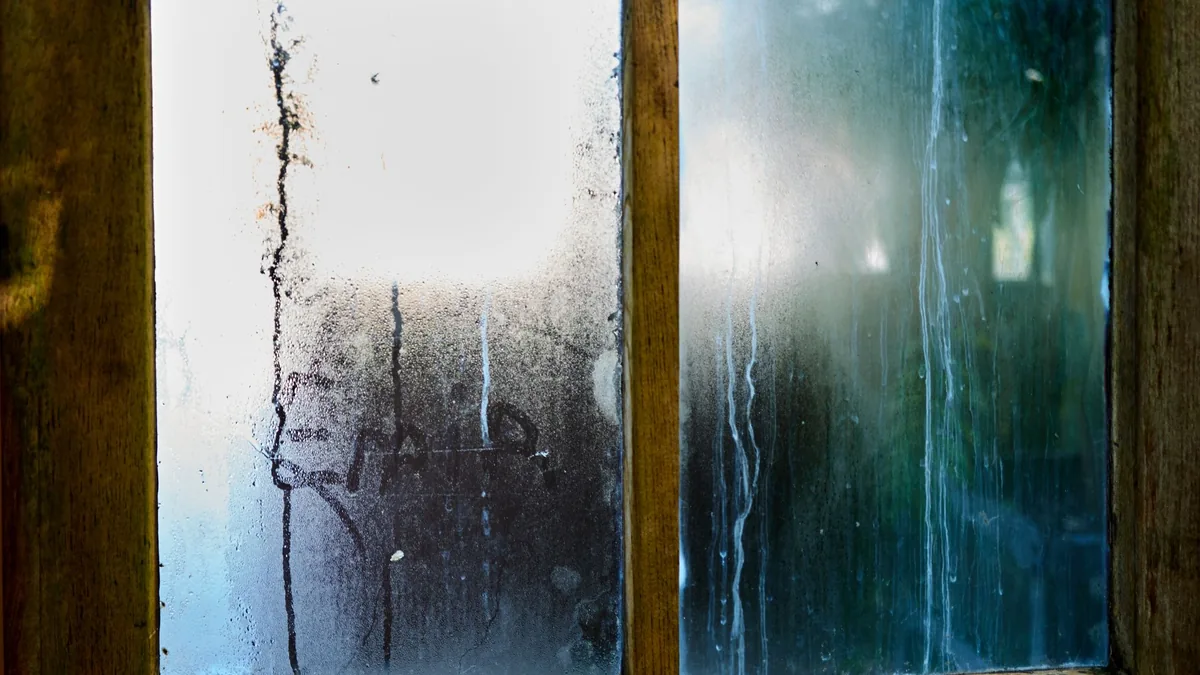
Every winter, black spots start to appear in the corners of bedrooms, around window frames and behind wardrobes. Damp and mould aren’t just unsightly: they can damage your belongings and are linked to breathing problems, especially for children, older people and anyone with asthma.
The good news is that a lot of everyday damp is caused by condensation, which simple habits can reduce. When it’s caused by something more serious, like a leak or poor ventilation, AI can help you describe the problem clearly, keep records and, if you rent, report it to your landlord properly. This guide takes about 30 minutes to set up.
Quick answer: Describe where the damp appears, when it gets worse and what your home is like to an AI chatbot, and ask what the likely causes are. Then ask for a simple daily routine to reduce condensation and a log to track the problem. If it’s a leak, structural or keeps coming back, get it checked, and if you rent, report it to your landlord in writing.
New to AI? Start with our beginner’s guide.
What you’ll need
- Photos of the damp or mould, with dates
- Notes on where it appears and when it gets worse
- A basic idea of your heating and ventilation (extractor fans, trickle vents, how often you open windows)
- An AI chatbot such as ChatGPT, Gemini, Claude or Copilot
- About 30 minutes
Step-by-step: tackle damp and mould with AI
- Describe the problem. Tell the AI where the damp is, what it looks like, when it appeared and whether it’s worse in cold weather or after showers and cooking (prompt 1).
- Understand the likely cause. Ask it to explain the difference between condensation, penetrating damp and rising damp, and which fits your description best. Treat the answer as a starting point, not a diagnosis.
- Build a daily routine. If condensation is likely, ask for a simple routine covering ventilation, drying clothes, cooking, showering and heating (prompt 2). Put it on the fridge or in your phone.
- Plan safe cleaning. Ask for safe ways to clean small patches of mould, including what to wear and what to avoid. Large areas, or mould that keeps returning, need a professional.
- Keep a damp log. Ask the AI to create a weekly log with date, room, what you saw and what you did (prompt 3). Take a photo each week.
- Report it if you rent. Leaks, broken extractor fans, faulty heating and cracked walls are usually the landlord’s job. Ask the AI to draft a clear, polite report with your evidence (prompt 4) and keep a copy.
- Follow up. If nothing happens, ask the AI to help you write a follow-up and look up who else can help, such as your council’s environmental health team.
Copy-paste prompts
1. What’s causing my damp?
I have damp or mould in my [ROOM]. It appears [WHERE, E.G. AROUND WINDOWS OR ON AN OUTSIDE WALL] and looks like [DESCRIPTION]. It gets worse [WHEN]. My home is a [TYPE OF HOME] with [HEATING] and [VENTILATION]. Explain the likely causes, from most to least likely, and what signs would point to each one. Say clearly what needs a professional to check.
2. Make a condensation routine
Create a simple daily routine to reduce condensation in my home. We are [NUMBER] people, we dry clothes [WHERE], and we have [EXTRACTOR FANS, WINDOWS, HEATING]. Keep it to 8 short, practical habits and include cheap fixes, such as lids on pans and wiping windows in the morning.
3. Create a damp log
Create a weekly damp and mould log as a table with columns for date, room, what I saw, photo taken (yes/no), what I did and whether it improved. Fill in an example row so I know how to use it.
4. Report damp to my landlord
Write a clear, polite email to my landlord reporting damp and mould in my rented home. Details: [ROOMS AFFECTED], first noticed [DATE], what I've tried [STEPS], possible cause [E.G. LEAKING GUTTER OR BROKEN EXTRACTOR FAN], and anyone vulnerable living here [DETAILS]. Ask them to inspect and confirm a date for repairs. Mention that I have photos and a log. Keep it under 250 words.
Recommended tools
- ChatGPT: you can upload a photo of the problem and ask what it might be, then turn the advice into a checklist.
- Gemini: handy for quick explanations and adding weekly reminders to Google Calendar.
- Claude: good at clear, calm letters to landlords and agents.
- Microsoft Copilot: useful for drafting emails in Outlook and keeping your log in Excel.
If you rent and the problem keeps coming back, see how to write a letter to your landlord with AI. Heating well without overspending matters too, so read how to cut your household bills with AI, and if you receive a confusing reply from a council or letting agent, our guide to understanding official letters with AI can help.
Tips and mistakes to avoid
- Don’t rely on AI for a diagnosis. It can only guess from your description and photos. Serious or recurring damp needs a qualified person to look.
- Don’t just paint over it. Mould will come back if the cause isn’t fixed.
- Protect yourself when cleaning. Wear gloves and a mask, open a window and don’t mix cleaning products.
- Keep evidence. Dated photos, your log and copies of every message are important if you rent.
- Put health first. If someone in your home has breathing problems that get worse, speak to your GP.
- Keep heating steady. A low, steady temperature often helps more than short bursts of heat.
FAQ
Can AI tell what kind of mould I have?
Not reliably. It can describe common types and causes, but it can’t test anything. Use it to understand your options, not to diagnose.
Is damp always caused by condensation?
No. Leaks, cracks in walls, faulty guttering and rising damp can also cause it. These usually need repairs.
Who has to fix damp in a rented home?
In England, landlords must fix problems such as leaks, broken heating and poor ventilation. Check the rules where you live, and report problems in writing.
How often should I check for damp?
Once a week in autumn and winter is enough. Note it in your log so you can spot patterns.
Try it yourself with ChatGPT
I have damp or mould in my [ROOM]. It appears [WHERE, E.G. AROUND WINDOWS OR ON AN OUTSIDE WALL] and looks like [DESCRIPTION]. It gets worse [WHEN]. My home is a [TYPE OF HOME] with [HEATING] and [VENTILATION]. Explain the likely causes, from most to least likely, and what signs would point to each one. Say clearly what needs a professional to check.
Get the free AI Agents Playbook
50 practical AI workflows, plus one practical how-to a week in your inbox.
Free. No spam. Unsubscribe any time.
Related guides
- How to use AI to create a cleaning schedule
- How to use AI to plan a DIY project and shopping list
- How to use AI to plan a home renovation budget
Reference: Shelter England: Damp and mould in private rented homes