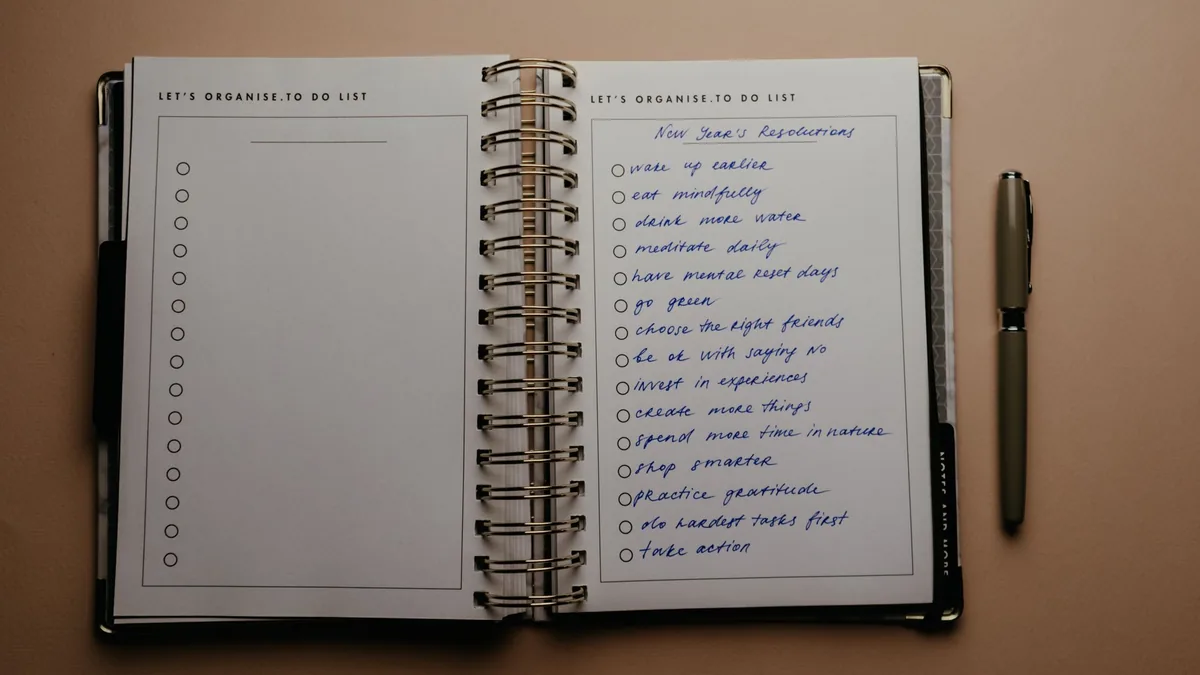
Most of us know what we’d like to do more of: drink more water, walk more, eat more vegetables, go to bed earlier, drink a bit less. The hard part isn’t knowing; it’s keeping going after the first enthusiastic week. Motivation comes and goes, and when life gets busy, new habits are usually the first thing to slip.
AI can act as a friendly, patient accountability partner. It can help you pick a small number of realistic habits, set up a simple tracker, check in with you each week and suggest tweaks when things aren’t working. Crucially, it never gets bored of hearing about your water intake. It isn’t a doctor or a dietitian, so if you have a health condition, check with your GP before making big changes. This guide takes about 30 minutes to set up and five minutes a week.
Quick answer: Choose one to three small health habits, such as a daily walk or an extra portion of vegetables. Ask an AI chatbot to make each one specific, measurable and linked to something you already do. Set up a simple tracker in a notes app or spreadsheet, tick off each day, and once a week paste your results into the chat for a kind review and one small tweak. NHS Better Health has free apps and tips too.
What you’ll need
- One to three habits you’d like to build
- A tracker: a paper calendar, a notes app, a spreadsheet or a habit app
- An AI chatbot and about 30 minutes to set up
- Five minutes a week for a check-in
Step-by-step: track habits and stay motivated with AI
- Pick fewer habits than you think. Starting with one or two makes success far more likely. Ask the AI to help you choose based on what would make the biggest difference for you (prompt 1).
- Make them specific. “Be healthier” can’t be tracked. “Walk for 15 minutes after lunch on weekdays” can. Ask the AI to rewrite your habits to be clear and measurable.
- Link each habit to a cue. Tie it to something you already do: after the morning coffee, when you get home, after brushing your teeth. This is sometimes called habit stacking.
- Set up your tracker. Ask the AI for a simple layout (prompt 2). A grid of days and ticks is enough. Seeing a run of ticks is surprisingly motivating.
- Plan for obstacles. Ask the AI what might get in the way and what your back-up plan is, such as a shorter walk on rainy days or a frozen vegetable stash for busy nights.
- Check in weekly. Paste your week’s ticks and notes into the chat and ask for a kind review and one small tweak (prompt 3).
- Bounce back after a wobble. Everyone misses days. Ask the AI to help you restart without guilt (prompt 4). The rule many people find helpful is “never miss twice”.
Copy-paste prompts
1. Choose habits that fit my life
I'd like to be healthier. Things I'm thinking about: [IDEAS, SUCH AS MORE WALKING, LESS SUGAR, EARLIER BEDTIME]. My typical day looks like: [DESCRIBE]. Things that usually trip me up: [OBSTACLES]. Any health conditions to bear in mind: [OPTIONAL].
Suggest the 2 habits that would probably make the biggest difference and be easiest to keep. Rewrite each as a specific, measurable habit linked to a cue in my day, with a "minimum version" for busy days.
2. Design my habit tracker
I'm tracking these habits: [LIST]. I'd like to use [PAPER / NOTES APP / GOOGLE SHEETS / EXCEL].
Design a simple tracker for 4 weeks, with a place for a tick, a quick note and a weekly total. If it's a spreadsheet, give me the column layout and formulas for the weekly percentage.
3. Weekly check-in
Here's my habit tracker for this week: [PASTE TICKS AND NOTES].
Give me a short, kind review: what went well, what pattern you notice in the days I missed, and one small change to make next week easier. Keep it encouraging and practical, under 150 words.
4. I’ve fallen off the wagon
I was doing well with [HABIT] but I've missed [NUMBER] days because [REASON]. I feel [HOW YOU FEEL].
Help me restart without guilt. Suggest an easier version of the habit for the next few days, a reminder that would actually help, and a short message I could read to myself next time this happens.
Recommended tools
- ChatGPT: friendly weekly check-ins; voice mode works well for a quick chat.
- Claude: thoughtful, encouraging reflections.
- Gemini: can help set reminders in Google Calendar or Keep.
- Grok: quick for motivation and ideas.
- NHS Better Health: free apps such as Couch to 5K, Active 10 and Drink Free Days.
Tips and mistakes to avoid
- Start tiny. Two minutes of stretching that you do beats twenty that you don’t.
- Celebrate small wins. Notice the ticks rather than the gaps.
- Don’t track everything. Too much tracking becomes a chore.
- Make it easy. Put your trainers by the door and fruit on the counter.
- Be realistic about weekends. Plan different versions for different days if needed.
- Check with a professional. If you have a medical condition, are pregnant or are making big diet changes, talk to your GP or pharmacist.
- Avoid extreme goals. Crash diets and punishing routines rarely last.
FAQ
How long does it take to form a habit?
It varies a lot between people and habits. Research suggests it often takes a couple of months for a habit to feel automatic, so be patient and keep going.
Is a habit app better than a notebook?
Whatever you’ll actually use is best. Some people love streaks and reminders; others prefer a paper calendar on the fridge.
Can AI remind me to do my habits?
Some assistants can set reminders if connected to your phone or calendar. Otherwise, set alarms or calendar reminders yourself.
What if I keep failing at the same habit?
Make it smaller, change the time of day or link it to a different cue. Ask the AI to help you work out what’s getting in the way rather than relying on willpower.
Try it yourself with ChatGPT
I'd like to be healthier. Things I'm thinking about: [IDEAS, SUCH AS MORE WALKING, LESS SUGAR, EARLIER BEDTIME]. My typical day looks like: [DESCRIBE]. Things that usually trip me up: [OBSTACLES]. Any health conditions to bear in mind: [OPTIONAL].
Suggest the 2 habits that would probably make the biggest difference and be easiest to keep. Rewrite each as a specific, measurable habit linked to a cue in my day, with a "minimum version" for busy days.
Get the free AI Agents Playbook
50 practical AI workflows, plus one practical how-to a week in your inbox.
Free. No spam. Unsubscribe any time.
Related guides
- How to use AI to create a step-count and walking plan
- How to use AI to build a better sleep routine
- How to use AI to build habits that help you manage stress
Reference: NHS: Better Health