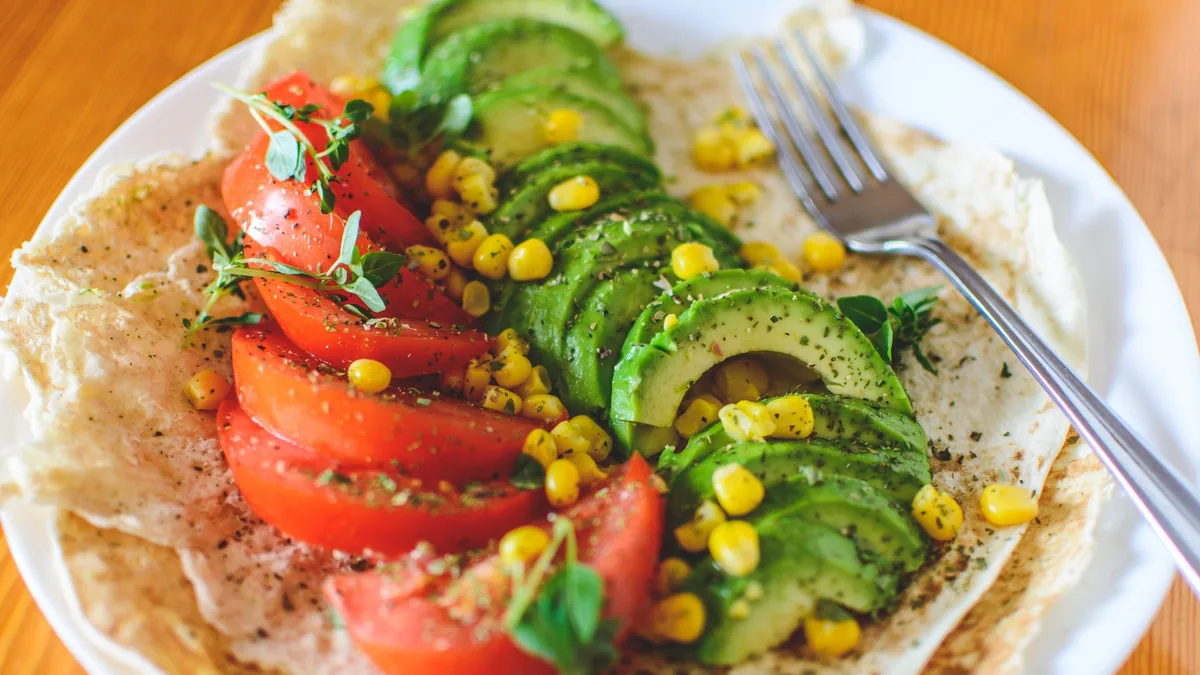
Every January, lots of people try going vegan for the month, often as part of Veganuary. The first few days are exciting; by the second week many are eating toast and crisps because they ran out of ideas, or they’ve stopped thinking about whether they’re getting enough of the nutrients that are harder to find in plant foods.
AI is a great planning partner for this. Tell it what you like to eat, how much time and money you have and who else you’re cooking for, and it can draft a week of vegan meals, a shopping list and a short checklist of nutrients to keep an eye on. This guide takes about 20 minutes, and it’s worth doing in late December so you start January with a full fridge.
Quick answer: Tell an AI chatbot your tastes, cooking time, budget and household, and ask for a 7-day vegan meal plan based on the NHS advice: plenty of fruit and veg, starchy carbs, beans and pulses, fortified dairy alternatives and nuts and seeds. Ask it to show where vitamin B12, iodine, calcium, iron and vitamin D come from, then check fortified products and supplements yourself.
New to AI? Start with our beginner’s guide.
What you’ll need
- A list of meals and foods you already enjoy (many are easy to make vegan)
- Your cooking time on weekdays and weekends, and a rough weekly food budget
- Any allergies, intolerances or health conditions in your household
- An AI chatbot: ChatGPT, Claude, Gemini or Grok
- About 20 minutes, ideally before the new year
Step-by-step: plan Veganuary meals with AI
- Start from what you already eat. List 10 meals you like and ask the AI which are already vegan, which need one or two swaps and which to skip for the month (prompt 1).
- Build a balanced week. The NHS says a healthy vegan diet includes at least 5 portions of fruit and vegetables a day, meals based on starchy carbohydrates, fortified dairy alternatives such as soya drinks and yoghurts, beans, pulses and other proteins, and nuts and seeds. Ask the AI for a 7-day plan built around those groups (prompt 2).
- Check the harder nutrients. The NHS says vegans may need fortified foods or supplements for vitamin D, vitamin B12, iodine, selenium and calcium. Ask the AI to show where each comes from in your plan (prompt 3).
- Help your body use iron. Plant iron is absorbed less well than iron from meat. The NHS suggests eating foods with vitamin C at the same meal and avoiding tea or coffee during or after main meals, so ask the AI to pair iron-rich meals with vitamin C.
- Make the shopping list. Ask the AI to turn the plan into a shopping list grouped by supermarket aisle, with cupboard staples such as tins of beans and lentils, oats and frozen veg (prompt 4).
- Read the labels yourself. When you shop, check which plant drinks, spreads and cereals are fortified with calcium, vitamin D, B12 or iodine. AI can’t see what’s on your local shelves.
- Review after week one. Tell the AI what you enjoyed, what you skipped and what you had left over, and ask it to adjust week two.
Copy-paste prompts
1. Make my favourite meals vegan
Here are 10 meals I enjoy: [LIST]. I'm trying Veganuary. For each meal, tell me if it's already vegan, the simplest swaps to make it vegan (for example lentils instead of mince) or whether to skip it this month. Keep it practical and use ingredients from a normal UK supermarket.
2. Plan a balanced vegan week
Plan 7 days of vegan breakfasts, lunches and dinners for [NUMBER] people. I have [MINUTES] to cook on weekdays and more time at weekends, and a food budget of about £[AMOUNT] a week. Avoid [ALLERGIES OR DISLIKES]. Base it on the NHS vegan diet advice: at least 5 portions of fruit and veg a day, starchy carbs (wholegrain where possible), fortified dairy alternatives, beans and pulses, and nuts and seeds. Reuse ingredients to cut waste and show it as a table.
3. Check my nutrients
Here is my vegan meal plan: [PASTE PLAN]. For vitamin B12, iodine, calcium, iron, vitamin D, selenium and omega-3, tell me which meals or foods in the plan provide each one, where the plan looks thin, and which fortified foods or supplements I could ask a pharmacist about. Don't give me doses; tell me what to check with a professional.
4. Turn it into a shopping list
Turn this vegan meal plan into a shopping list grouped by supermarket aisle: [PASTE PLAN]. Mark the cupboard staples I can buy once for the whole month, the fresh food to buy weekly, and the products where I should check the label for calcium, vitamin D, B12 or iodine fortification.
Recommended tools
- ChatGPT: fast at building a weekly meal plan table and shopping list.
- Claude: good at explaining nutrients in plain English and adapting recipes.
- Gemini: handy if you keep your shopping list or budget in Google Docs or Sheets.
- Grok: quick swap ideas when you’re standing in the kitchen with a non-vegan recipe.
Not sure which plant milks and spreads are fortified? Learn how to understand food labels with AI. Cooking for someone with a nut or soya allergy? See how to cook for allergies and intolerances with AI, and if January is also your fitness month, pair this with a January fitness restart planned with AI.
Tips and mistakes to avoid
- Don’t skip B12. The NHS says vegan sources of vitamin B12 are limited and a supplement may be needed, so check fortified foods or speak to a pharmacist.
- Remember vitamin D in winter. The NHS says everyone should consider a daily vitamin D supplement in autumn and winter. Check the label to make sure it’s not from an animal source.
- Watch the “vegan junk”. Vegan doesn’t automatically mean healthy. Ask the AI for whole-food meals, not just meat-free versions of ready meals.
- Pick fortified, unsweetened drinks. Fortified unsweetened soya, pea and oat drinks can provide calcium, but not every brand is fortified, so check the label.
- Get advice if you need it. If you’re pregnant, breastfeeding, planning meals for young children or have a health condition, talk to your GP, midwife or a registered dietitian before changing your diet.
- AI can get nutrition wrong. Treat its answers as a starting point and check anything important with the NHS or a professional.
FAQ
Can AI make a healthy vegan meal plan?
It can draft a good plan if you give it clear rules, such as the NHS food groups, your budget and your allergies. Always check the nutrients and labels yourself; AI is not a dietitian.
What nutrients should I watch on a vegan diet?
The NHS lists calcium, iron, vitamin B12, iodine and selenium as nutrients you could miss without good planning, along with vitamin D. Fortified foods and supplements can help.
Is Veganuary safe for everyone?
Most healthy adults can eat a varied, balanced vegan diet. If you’re pregnant, breastfeeding, have a health condition or are planning for children, speak to a health professional first.
Try it yourself with ChatGPT
Here are 10 meals I enjoy: [LIST]. I'm trying Veganuary. For each meal, tell me if it's already vegan, the simplest swaps to make it vegan (for example lentils instead of mince) or whether to skip it this month. Keep it practical and use ingredients from a normal UK supermarket.
Try the next prompt: batch-cook your vegan lunches for the week with our guide to planning healthy meal prep with AI.
Read next
Get the free AI Agents Playbook
50 practical AI workflows, plus one practical how-to a week in your inbox.
Free. No spam. Unsubscribe any time.
Reference: NHS: The vegan diet