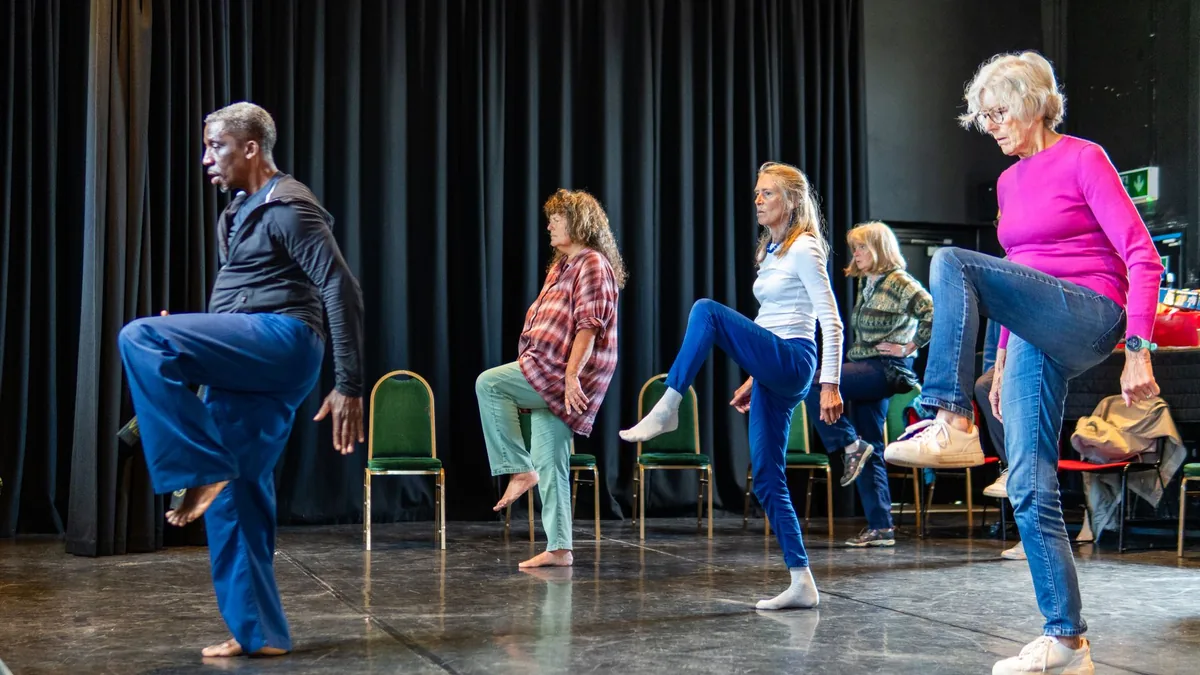
Staying active gets more important as we get older, not less. Regular movement helps keep muscles and bones strong, improves balance, supports your heart and mood, and makes everyday things like carrying shopping and climbing stairs easier. But many fitness plans online seem designed for 25-year-olds, and it can be hard to know where to start if you’ve had a break, have stiff joints or a health condition.
AI can help you put together a plan that fits you: your fitness level, any aches and pains, the equipment you have and how much time you’ve got. It can suggest gentle progressions, explain exercises and help you stay motivated. It isn’t a doctor or physiotherapist, so check with your GP before starting if you have a health condition or haven’t exercised for a while. This guide takes about 30 minutes.
Quick answer: Tell an AI chatbot your age, current activity level, health conditions, any joint issues, equipment and goals. Ask for a weekly plan that includes moderate activity such as brisk walking, strength exercises on at least two days and balance and flexibility work, in line with NHS guidelines. Start gently, progress slowly and stop if anything hurts. Check with your GP first if you have a health condition.
What you’ll need
- A clear picture of your current activity and any health conditions
- Comfortable clothes and supportive shoes
- Optional equipment: a chair, a resistance band, light dumbbells or water bottles
- An AI chatbot and about 30 minutes
- The NHS physical activity guidelines for reference
Step-by-step: plan workouts for over-50s with AI
- Check in with your health. If you have heart problems, high blood pressure, diabetes, joint replacements, osteoporosis or haven’t exercised in a while, speak to your GP or practice nurse before starting.
- Describe your starting point. Tell the AI your age, current activity, aches and pains, equipment and goals (prompt 1). Be honest; it helps it pitch things right.
- Get a balanced weekly plan. The NHS recommends older adults aim for at least 150 minutes of moderate activity a week, strength activities on at least two days, and activities to improve balance and flexibility. Ask the AI to build this into your week.
- Learn the moves. Ask for simple descriptions of each exercise with seated or easier versions (prompt 2). Watching NHS or other trusted videos helps with technique.
- Start low, go slow. Begin with fewer repetitions and shorter sessions. Increase gradually over weeks, not days.
- Make it enjoyable. Ask the AI for ideas like walking groups, dancing, swimming, gardening or tai chi (prompt 3). You’re more likely to keep going if you enjoy it.
- Review every few weeks. Tell the AI how it’s going and ask for gentle progressions (prompt 4).
Copy-paste prompts
1. My starting plan
I'm [AGE] and currently [DESCRIBE ACTIVITY LEVEL]. Health conditions or injuries: [DETAILS OR NONE]. Joints that are stiff or sore: [DETAILS]. Equipment I have: [LIST]. My goals are [GOALS, SUCH AS STRONGER LEGS, BETTER BALANCE, MORE ENERGY]. I can exercise [DAYS AND TIME].
Create a gentle 4-week plan in line with NHS guidelines for older adults: moderate activity, strength on at least two days and balance and flexibility work. Include warm-ups and cool-downs, easier options, and signs that I should stop and seek advice.
2. Explain the exercises
Explain how to do these exercises safely: [LIST, SUCH AS SIT-TO-STANDS, WALL PRESS-UPS, HEEL RAISES]. For each, give clear steps, what I should feel, common mistakes, a seated or easier version and a slightly harder version for later.
3. Activities I might enjoy
I'm [AGE], I live in [TYPE OF AREA], I enjoy [INTERESTS] and I'd prefer to be [ALONE / WITH OTHERS]. Suggest 8 enjoyable ways to be more active that count towards strength, balance or moderate activity, and how to find local options such as walking groups or classes.
4. Progress check
I've been following my plan for [WEEKS]. Here's how it's going: [WHAT'S EASIER, WHAT'S HARD, ANY ACHES].
Suggest small, safe ways to progress, what to keep the same, and anything I should check with a professional.
Recommended tools
- ChatGPT: clear plans and exercise explanations; voice mode is handy hands-free.
- Claude: careful, detailed guidance and progressions.
- Gemini: useful for finding local classes and adding sessions to your calendar.
- Grok: quick for motivation and ideas.
- NHS: physical activity guidelines and free exercise videos.
Tips and mistakes to avoid
- Get the all-clear if needed. Especially with heart, lung or joint conditions, or after surgery.
- Don’t skip strength work. Muscle strength naturally declines with age, and strength exercises help slow that.
- Practise balance. It can help reduce the risk of falls. Stand near a wall or chair for support.
- Pain is a warning. Mild muscle tiredness is normal; sharp or joint pain isn’t. Stop and get advice.
- Warm up and cool down. A few minutes of gentle movement makes a big difference.
- Stay hydrated and wear good shoes. Simple but important.
- Sit less. Break up long periods of sitting with light activity, even a short walk around the house.
FAQ
Is it too late to start exercising at 60 or 70?
No. People of all ages benefit from becoming more active. Start gently and build up.
What counts as moderate activity?
Activity that raises your heart rate and makes you breathe faster, but you can still talk: brisk walking, cycling, dancing or pushing a lawnmower.
Can I do strength exercises at home without weights?
Yes. Chair squats, wall press-ups and heel raises use your body weight. Tins or water bottles can work as light weights.
What if I have arthritis?
Many people with arthritis find regular, gentle exercise eases stiffness and pain. Ask your GP or a physiotherapist which movements suit you, and tell the AI so it can suggest joint-friendly options.
Try it yourself with ChatGPT
I'm [AGE] and currently [DESCRIBE ACTIVITY LEVEL]. Health conditions or injuries: [DETAILS OR NONE]. Joints that are stiff or sore: [DETAILS]. Equipment I have: [LIST]. My goals are [GOALS, SUCH AS STRONGER LEGS, BETTER BALANCE, MORE ENERGY]. I can exercise [DAYS AND TIME].
Create a gentle 4-week plan in line with NHS guidelines for older adults: moderate activity, strength on at least two days and balance and flexibility work. Include warm-ups and cool-downs, easier options, and signs that I should stop and seek advice.
Get the free AI Agents Playbook
50 practical AI workflows, plus one practical how-to a week in your inbox.
Free. No spam. Unsubscribe any time.
Related guides
- How to use AI to create a workout plan that fits your life
- How to use AI to create a step-count and walking plan
- How to use AI to start a home yoga or stretching routine
Reference: NHS: Physical activity guidelines for older adults